
How to Preserve Family History Before It's Too Late

February 2, 2026
Every year, thousands of irreplaceable family stories disappear forever. A grandmother's recipe, passed down for generations, is lost because no one wrote it down. A grandfather's immigration journey fades from memory. The details of how your great-grandparents met vanish with the last person who knew them.
We tell ourselves there will be time later. We'll record those stories next month, next year, when things settle down. But health can decline overnight. Memory fades gradually, then suddenly. And once a voice is gone, there is no way to recreate it.
This is why preserving family history matters now—and how professional documentation ensures your family's most important stories survive.
Why Family History Preservation Can't Wait:
Memory Fades Faster Than You Think
Human memory is fragile. For elderly family members, age-related memory decline accelerates this process. The stories your parents or grandparents can tell today might be significantly faded—or completely forgotten—within months.
Details disappear first. Your grandmother might remember that her mother made incredible challah, but in six months, she might not recall the specific technique that made it special. Your grandfather knows exactly how he felt the day he arrived in America, but that emotional clarity dims over time.
Health Can Decline Without Warning
Strokes, heart attacks, dementia, and sudden illness don't announce themselves in advance. Families consistently express the same regret: they wish they'd documented their loved one's story "before the fall" or "before the diagnosis" or "before Dad couldn't speak clearly anymore."
According to the Alzheimer's Association, 1 in 9 people over 65 has Alzheimer's disease, and that number increases to 1 in 3 for people over 85. Waiting even a year can mean the difference between capturing rich, detailed memories and losing them entirely.
Physical Memories Are Deteriorating
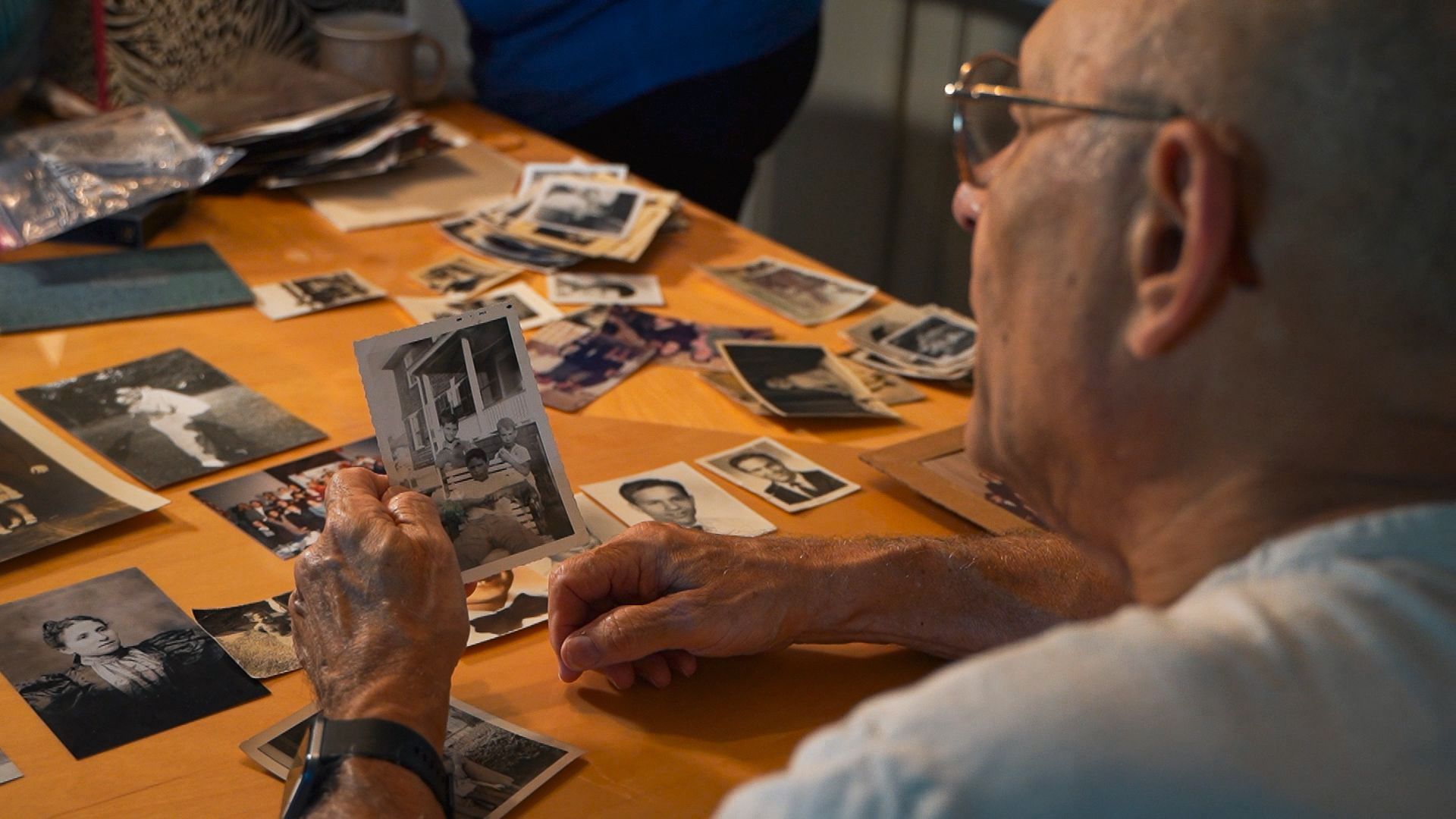
If you have boxes of old family photographs in your attic or basement, they're deteriorating right now. Paper photos fade, especially when exposed to light and humidity. Within 20-50 years, many will be significantly degraded or unrecognizable.
More urgently: the people who can identify faces in those photos are aging. Your grandmother knows who's in that 1950s wedding photo. Once she's gone, those photos become mysteries that can never be solved.
What Family Stories Should You Preserve?
The Stories That Shape Your Family
Childhood and Origins: Where they grew up, what their childhood home was like, their parents and grandparents, family traditions and celebrations.
Immigration and Heritage: Where the family came from originally, why they left, how they came to America, what they brought with them, how they adjusted to a new country.
Historical Moments: Major events they lived through (wars, depression, social movements), where they were on significant dates, changes they've seen in technology and society.
Love and Family: How they met their spouse, their courtship and proposal, wedding day memories, becoming parents, raising children.
Traditions and Culture: Family recipes and how to make them, holiday traditions unique to your family, religious or cultural practices, sayings and phrases specific to your family.
Challenges and Wisdom: Hardships overcome, decisions they're proud of, life lessons learned, advice for future generations, how they want to be remembered.
How Professional Documentation Preserves What Matters Most:
Video: Capturing More Than Words
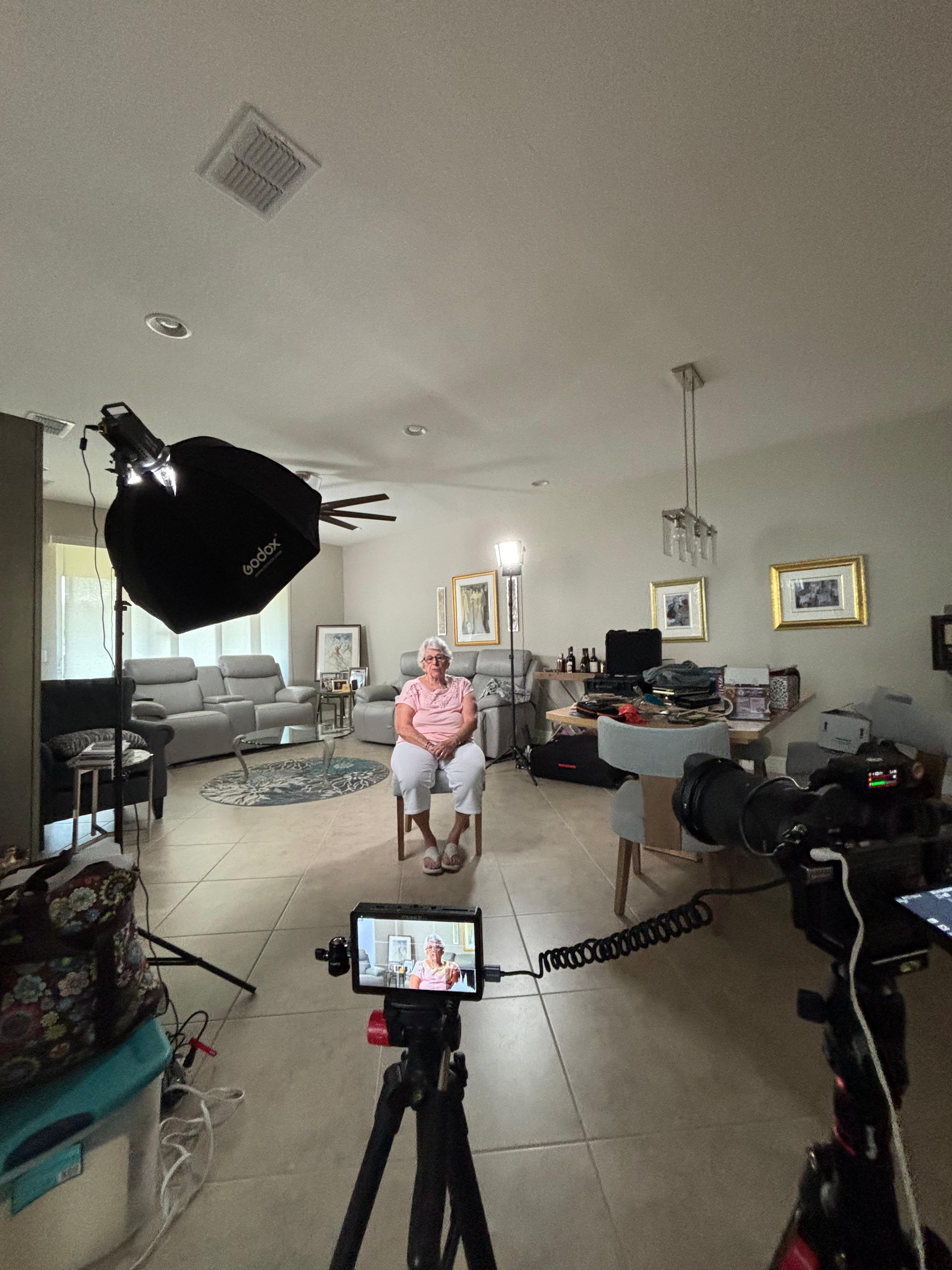
Video is the most powerful medium for family history because it preserves voice, facial expressions, mannerisms, and emotion. Fifty years from now, your grandchildren will see their great-grandmother's smile, hear her laugh, and watch her hands move as she tells a story.
What Professional Video Documentation Provides:
Technical Excellence: Cinema-quality cameras, professional lighting, and broadcast-grade audio ensure your video looks and sounds exceptional decades from now.
Interviewing Expertise: Trained interviewers know how to draw out authentic stories, ask meaningful follow-up questions, and make subjects comfortable on camera. They navigate sensitive topics with care and keep conversations flowing naturally.
Emotional Comfort: Many elderly people feel more at ease with a professional interviewer than with family members. There's less emotional weight and clearer structure.
Edited Legacy Film: Not just raw footage, but a refined, cohesive film that tells your loved one's story in an emotionally engaging way.
Learn about our professional legacy video services →
Photo Digitization: Saving Visual History
Professional photo digitization ensures precious family images survive while capturing the context behind them.
What Professional Services Offer:
High-resolution scanning that preserves every detail
Proper handling of fragile or damaged photographs
Organization and backup
Critical: Name-tagging and context while people who remember are still here
The difference between a box of unlabeled old photos and a digitized, organized collection with names, dates, and stories attached is the difference between mystery and legacy.
We digitize up to 200 family photos with assisted name-tagging →
Written Biography: Stories in Print
A professionally written biography creates a tangible heirloom—something that can be read, shared, and passed down through generations.
Professional biographers conduct extensive interviews, then craft the story into a polished narrative that honors your loved one's voice while creating something literary and lasting.
Our Legacy Film & Book service combines video documentation with custom written biography →
Common Mistakes Families Make
1. Waiting for "The Right Time"
The right time is now. Waiting for a family reunion, after the holidays, or when things slow down often means it never happens. Health declines suddenly. Memory fades faster than expected.
2. Focusing Only on Big Events
The "boring" details of everyday life become precious historical records. Your grandfather's daily commute, what the neighborhood was like, how they spent Sunday afternoons—these seemingly mundane memories are what future generations treasure.
3. Avoiding Difficult Stories
Hardship, loss, mistakes, regret—these are part of the full picture of a life. Obviously respect boundaries, but don't sanitize family history to the point where it's incomplete.
4. Not Capturing Context for Photos
Digitizing photos without identifying who's in them creates boxes of beautiful mysteries instead of family history. The context—names, relationships, dates, locations, stories—is what makes photos meaningful.
How to Get Started
Step 1: Identify Who to Document First
Priority:
Oldest generation (great-grandparents, elderly grandparents)
People in declining health
Those with unique knowledge (immigrants, family historians)
Geographically distant relatives you see rarely
Step 2: Gather Existing Materials
Collect what you already have:
Photo albums and loose photographs
Old videos and home movies
Documents (immigration papers, letters, certificates)
Family genealogy records
Step 3: Create Your Topic List
Even when working with professional interviewers, providing context helps ensure nothing important is missed. List:
Specific stories you want captured
Family members or events to discuss
Photos that need identification
Traditions or recipes to document
Step 4: Schedule Professional Documentation
Don't wait for family gatherings. Work with a professional service to schedule dedicated time when your loved one is well-rested, comfortable, and prepared.
Professional legacy interviews typically take 3-4 hours in the home, with breaks as needed.
Schedule a free consultation to discuss your family's story →
Why Professional Documentation Is Worth It
Some families wonder if professional documentation is necessary. Here's what it provides that casual recordings don't:
Quality That Lasts: Professional-grade video and audio will still look and sound excellent 50+ years from now. This is an investment in your family's future.
Expertise That Shows: Trained interviewers draw out stories that might never emerge in family conversations. They know how to ask the questions that reveal the richest memories.
Finished Heirloom: Not raw footage to "deal with later," but a polished legacy film and printed biography that your family can immediately treasure and share.
Removes Family Dynamics: Sometimes the most honest, complete stories emerge when talking to a caring professional rather than an emotionally-involved family member.
Time and Peace of Mind: You don't spend months figuring out equipment, editing, organizing. Professionals handle everything while you focus on being present with your loved one.
Compare our Legacy Capture and Legacy Film & Book services →
The Gift You're Giving Future Generations
Fifty years from now, your grandchildren will press play and hear their great-grandmother's voice. They'll watch her eyes light up when she talks about meeting their great-grandfather. They'll learn where they came from and what shaped their family.
That's what family history preservation creates: a bridge across time, a gift to people not yet born, proof that these lives mattered.
The stories that shaped your family won't preserve themselves. Every day you wait is another day of memories fading and voices moving closer to silence.
Start today. The voices you can't afford to lose are still here—but they won't be forever.
Ready to Preserve Your Family's Legacy?
The most important step is beginning now—while the people who hold your family's stories can still share them.
Schedule a Free Consultation to discuss how we can help preserve your family's story with the care, quality, and cultural sensitivity it deserves.
Learn About Our Services - Compare Legacy Capture (complete documentation with raw footage) and Legacy Film & Book (refined heirloom with edited film and printed biography).
Read More - Questions to ask elderly relatives, preparing for legacy interviews, and why Jewish family stories need urgent preservation.
Jewish Legacy Stories specializes in documenting Jewish family histories through professional in-home interviews, photo digitization, and legacy films. Serving families across the tri-state area and nationwide.
Related Blog
Articles about legacy preservation, preparing for interviews, and honoring the stories that connect generations.